{{ 'fb_in_app_browser_popup.desc' | translate }} {{ 'fb_in_app_browser_popup.copy_link' | translate }}

{{ 'in_app_browser_popup.desc' | translate }}

Enjoy free delivery in Hong Kong for purchases of HK$500 or more.

THE Rice Bowl|THE

THE Rice Bowl|THE

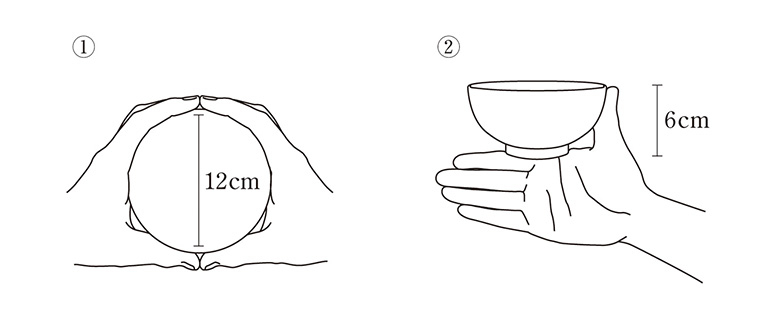
「THE飯茶碗」從人體比例角度出發,以人的手型、大小及持碗姿勢,整合成一個完美比例,設計出最佳的弧線造型及尺寸大小。使用上最舒適的飯碗,拇指與食指環握飯碗的指尖距離,以及大拇指的高度之間,比例應為2:1。因此,「THE飯茶碗」的口徑是12cm,是大部分人兩隻手環握飯碗指尖間的平均直徑,而高度是6cm,設計成符合完美比例的碗。

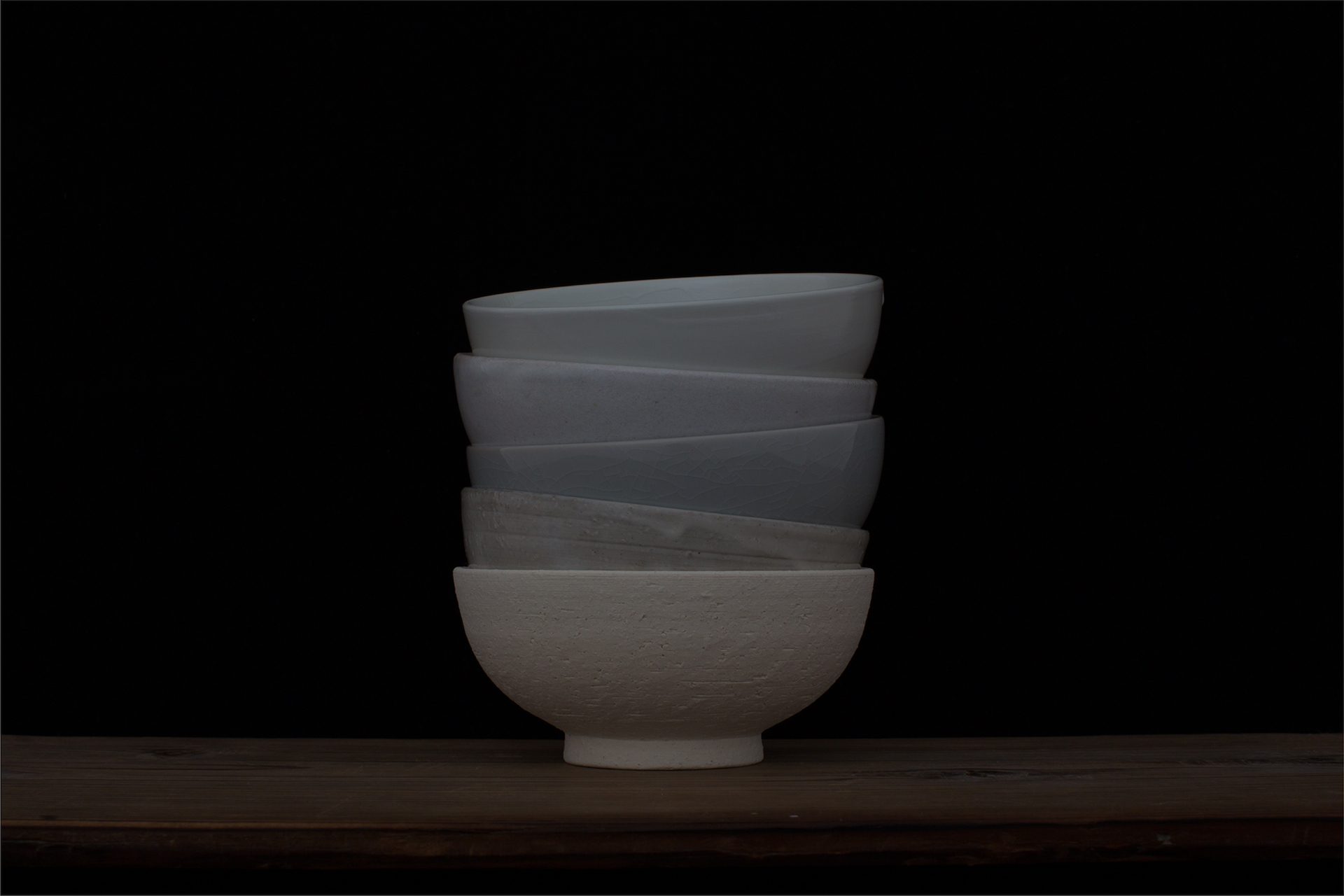
飯茶碗以日本最具代表性的五大傳統陶瓷產地的技術來燒製,因每個產地的材料、技術及釉薬都不同,所製成的陶瓷製品各有特色,但都以白色的外表展現各地陶瓷的質感。


Enjoy Free Local Shipping for Orders over HK$500 on order

HK$180.00
{{shoplineProductReview.avg_score}} {{'product.product_review.stars' | translate}} | {{shoplineProductReview.total}} {{'product.product_review.reviews' | translate}}
{{amazonProductReview.avg_rating}} {{'product.product_review.stars' | translate}} | {{amazonProductReview.total_comment_count}} {{'product.product_review.reviews' | translate}}
{{ title.name_translations | translateModel }} : {{variationName[$index] | translateModel}}
Quantity
Add to Wishlist
The maximum quantity per submit is 99999
This quantity is invalid, please enter a valid quantity.
Sold Out

Not enough stock.
Your item was not added to your cart.

Not enough stock.
Please adjust your quantity.

{{'products.quick_cart.out_of_number_hint'| translate}}

{{'product.preorder_limit.hint'| translate}}

Limit {{ product.max_order_quantity }} per order.

Only {{ quantityOfStock }} item(s) left.

Please message the shop owner for order details.
Add to Wishlist
Description
Shipping & Payment
Customer Reviews
Description

“THE RICE BOWL” is a rice bowl that is designed to fit perfectly in the user’s hand. The 12 centimeter diameter of the rice bowl is derived from the average diameter of a Japanese person’s hand when a half-circle is made with the thumb and pointing finger. In other words, it is the perfect size that naturally fits in the hands of the user. The height is set at half the diameter, which is 6 centimeters). The ratio between the pointing finger and thumb is said to be exactly 2:1, and this ratio does not change in any configuration of the hand.


Therefore, we hypothesize that this ratio creates the ideal relationship between the hand and the rice bowl.
 
In the development phase of the project, we came across an interesting fact.
 
In ancient times, the “Wan” bowl used to be called “Mari” (old Japanese term for ‘ball’). The name is said to derive from the spherical shape of the bowl being denotative of a ball. Aside from the variations with differing shapes, the ‘ideal bowl’ is said to be one that creates a 4-sun (12 centimeter) sphere when two bowls are cupped together. In other words, the bowl measures to a diameter of 12 centimeters and 6 centimeters in height, resembling the same 2:1 ratio as “THE RICE BOWL”. Moreover, this 12-centimeter (4-sun) diameter is the common standard even amongst the multiple regions across Japan. However, the reason behind this measurement remains unknown to the people living in these regions.  

The measurement units such as “sun” that are embedded in the ancient history of Japan derive from measurements and proportions of the human body, collectively known as “Shindoshaku”. Ironically, with the countless iterations of re-design in the modern era, rice bowls are now sold in various shapes, sizes, and proportion to meet the demand of the mass, yet these traditional methods of measurement deriving from proportions of the human body have been lost in the process of standardization of measurement systems. However, one can argue that our pursuit of designing the ideal rice bowl had unintentionally become the restoration of an ancient design that had been forgotten over time. Rediscovering the background of this tactile object and designing with this organic proportion was a very interesting experience.  
We manufactured the same-shaped rice bowl in 5 different regions in Japan that are known for their distinct pottery styles. The styles include Arita (Saga Prefecture), Kiyomizu (Kyoto Prefecture), Shigaraki (Shiga Prefecture), Seto (Aichi Prefecture), and Mashiko (Tochigi Prefecture). In order to enhance the characteristics of each style, the clay, glaze, and finish are all white-colored. These collectible bowls allow the user to enjoy the various expressions of Japanese pottery.  

ARITA (Saga Prefecture)
Potter: Fujimaki Seitou
Material: Amakusa white porcelain, “Hishaku-Gake” technique
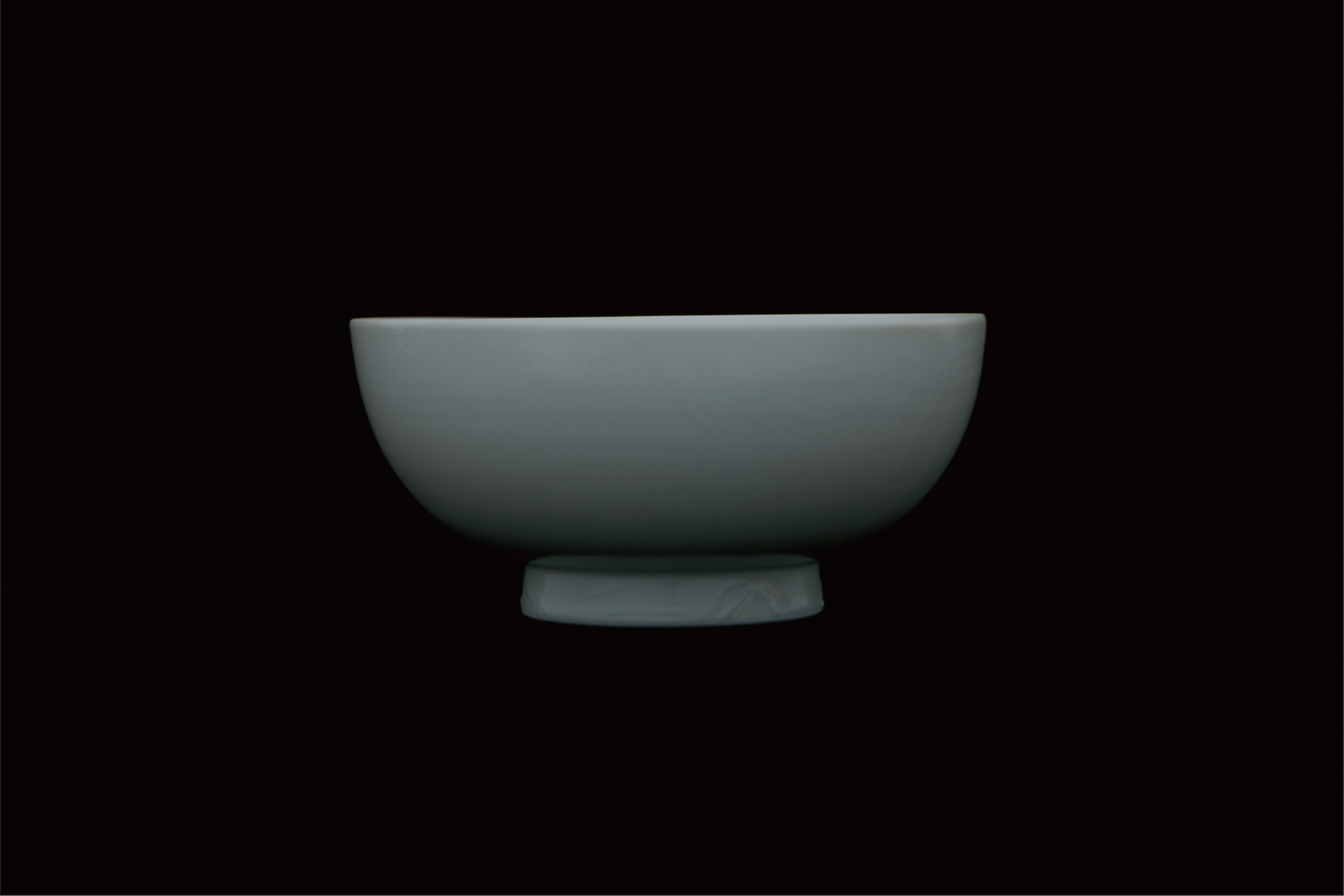
Arita is a region known to first discover kaolin in Japan 400 years ago. Arita-yaki porcelain has been widely recognized in and out of Japan, being extensively exported to Europe between the 17th and 18th century as “Imari” and was traded with a value equivalent to gold. The transparent complexion of white that is distinct in Arita porcelain is a result of the exquisite craftsmanship, and met the high demand to the Dutch East India Company. “THE RICEBOWL – ARITA” is finished with the “Hishaku-Gake” (Ladle-pouring) glazing technique.  

KIYOMIZU (Kyoto Prefecture)
Potter: Ito Seitojo
Material: Red clay soil, “Kohiki” technique
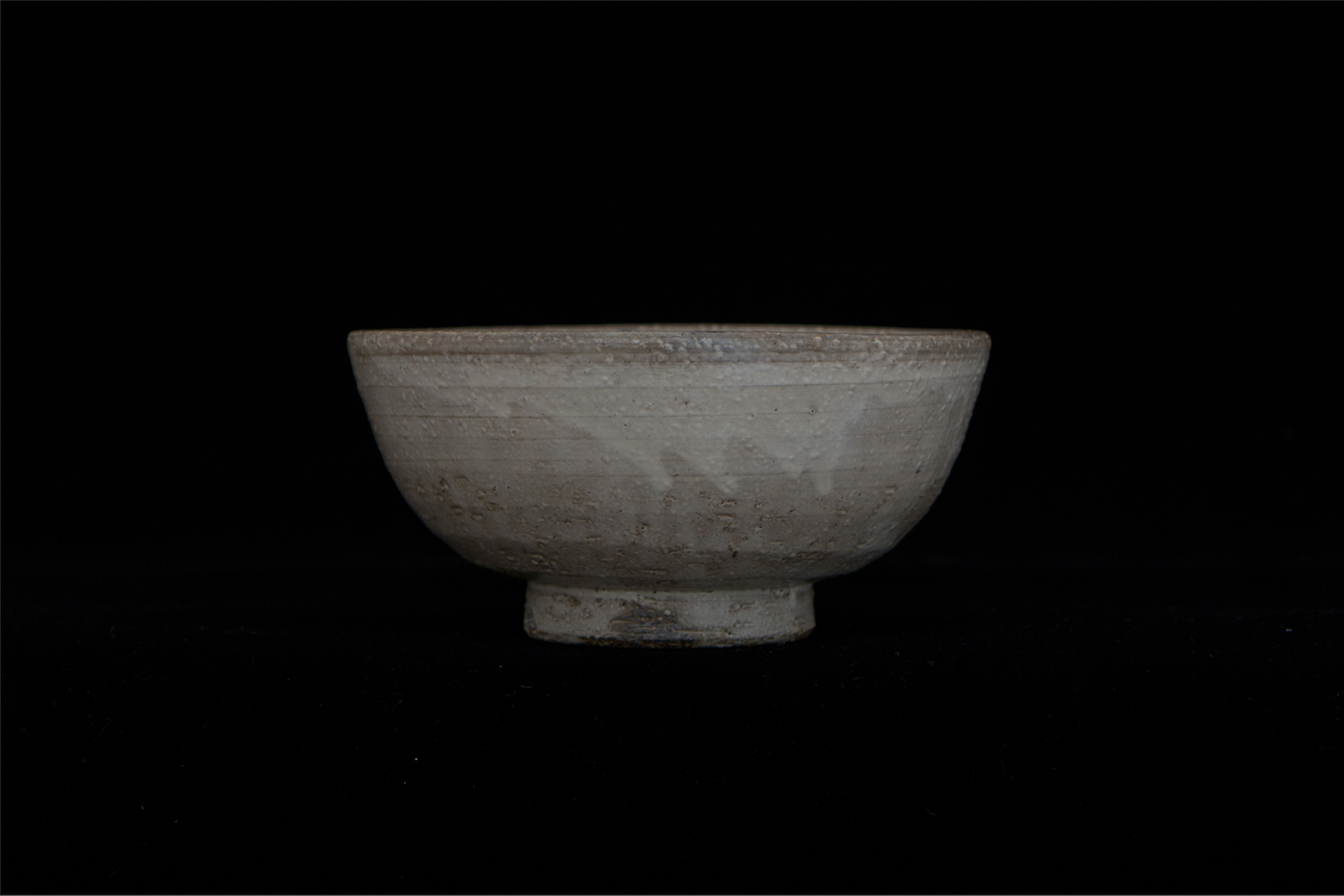
The name is said to derive from the fact that there were kilns near the Gojo-zaka area of Kyoto near the now popular tourist attraction, Kiyomizu Temple. Catering to the vast demands of traditional cuisine and tea ceremonies in ancient Kyoto, the Kiyomizu-yaki porcelain is a result of not only the variation of technique and material, but also the craftsmanship itself. Craftsmen in the early Edo period, namely Ninsei Nonomura and Kenzan Ogata, who have pioneered the techniques and designs, established the present day Kiyomizu style. “THE RICEBOWL – KIYOMIZU” is finished with the white-colored slip, or ‘engobe’ that has been used in singularity as well as to prime the bowl for the layering of colors. 

SHIGARAKI (Shiga Prefecture)
Potter: Yamatatsu Togyo
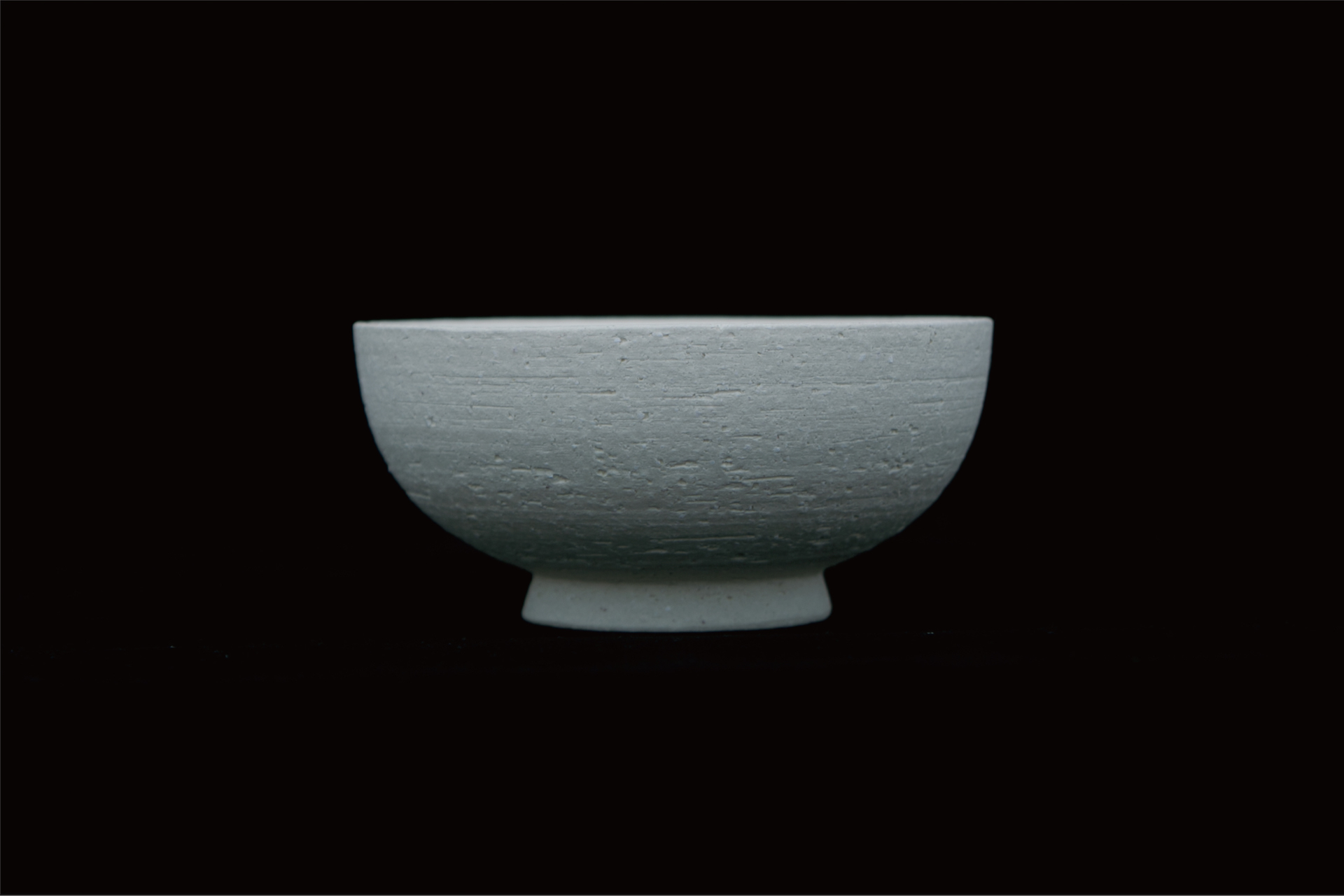
Material: Koshigaraki clay ‘Hosome’, No glaze; Vitrified
Shigaraki ware is an old traditional pottery that has a history of over 1000 years, and is considered one of the ‘Six Old Kilns’ of Japan. The high heat resistance and plasticity of the local sandy clay from the bed of Lake Biwa is ideal for creating large-scale products such as the Tanuki Raccoon dog sculpture, jars, and hibachi grills. Located in the Kinki region of Japan, Shiga prefecture has a very distinct culture and thriving Zen Buddhist traditions that made this region the Mecca for potters. To enjoy the color and texture of the natural white clay, “THE RICEBOWL – SHIGARAKI” utilizes the fine-grained “Koshigaraki” clay and is vitrified with no glaze.  

SETO (Aichi Prefecture)
Potter: Marumitsu Toki, Shibata Seitojo
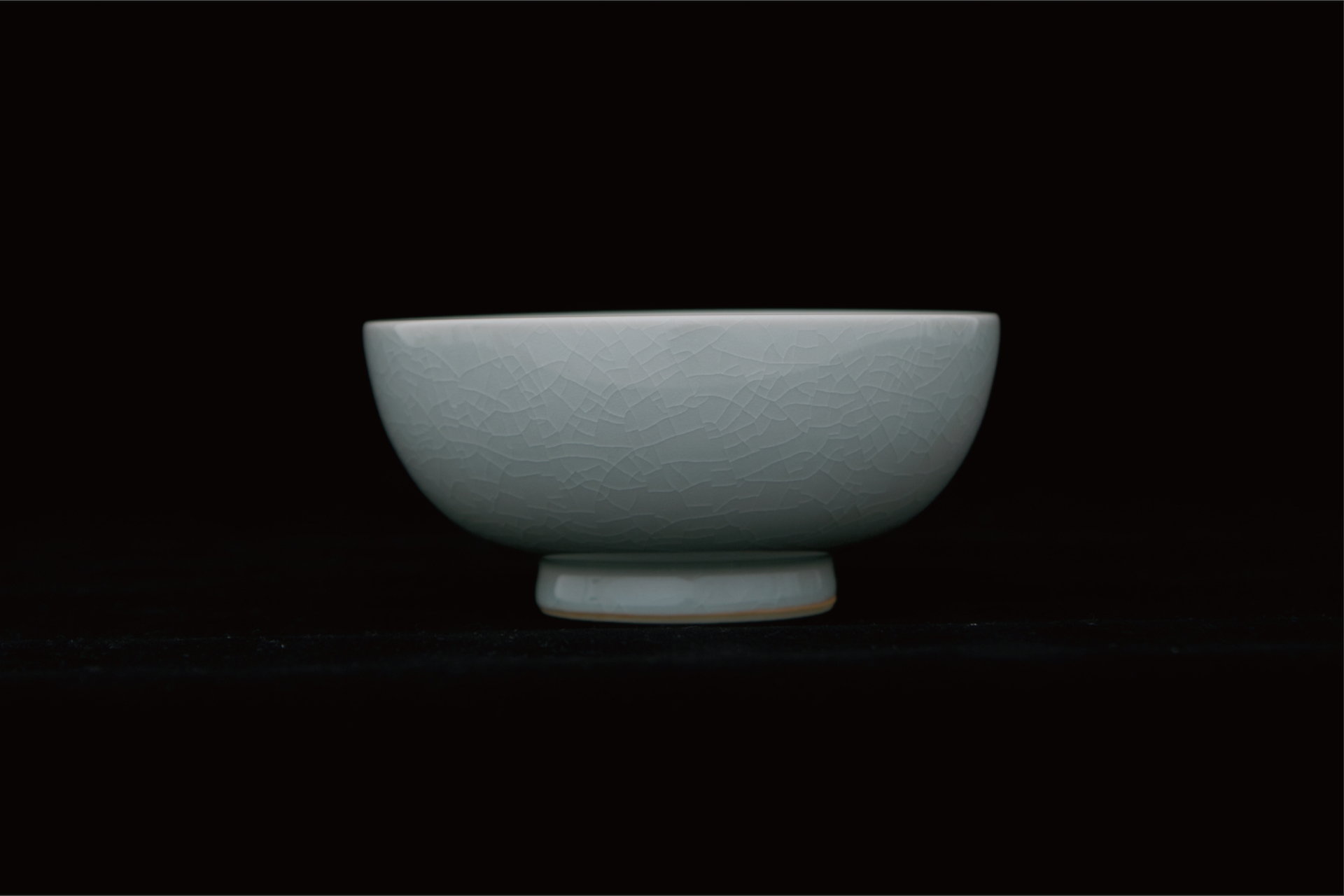
Material: Kosome clay, Clear “Kan-Nyu” Crackle glaze
Considered one of the ‘Six Old Kilns’, “Setomono” (Products of Seto) were so widely used in the Eastern area of Japan it became a generic term for ceramics. In the middle ages, Seto was said to be the only region that applied glazes to their pieces. The kaolin layer of the Seto region is known as one of the few locations in the world that contain an abundance of fine clay and quartz sand ideal for earthenware. “THE RICEBOWL – SETO” uses the exemplary “Kosome” clay, and a clear glaze is applied to fully enjoy the crackled texture.  
 
MASHIKO (Tochigi Prefecture)
Potter: Toko Sayado Wadagama
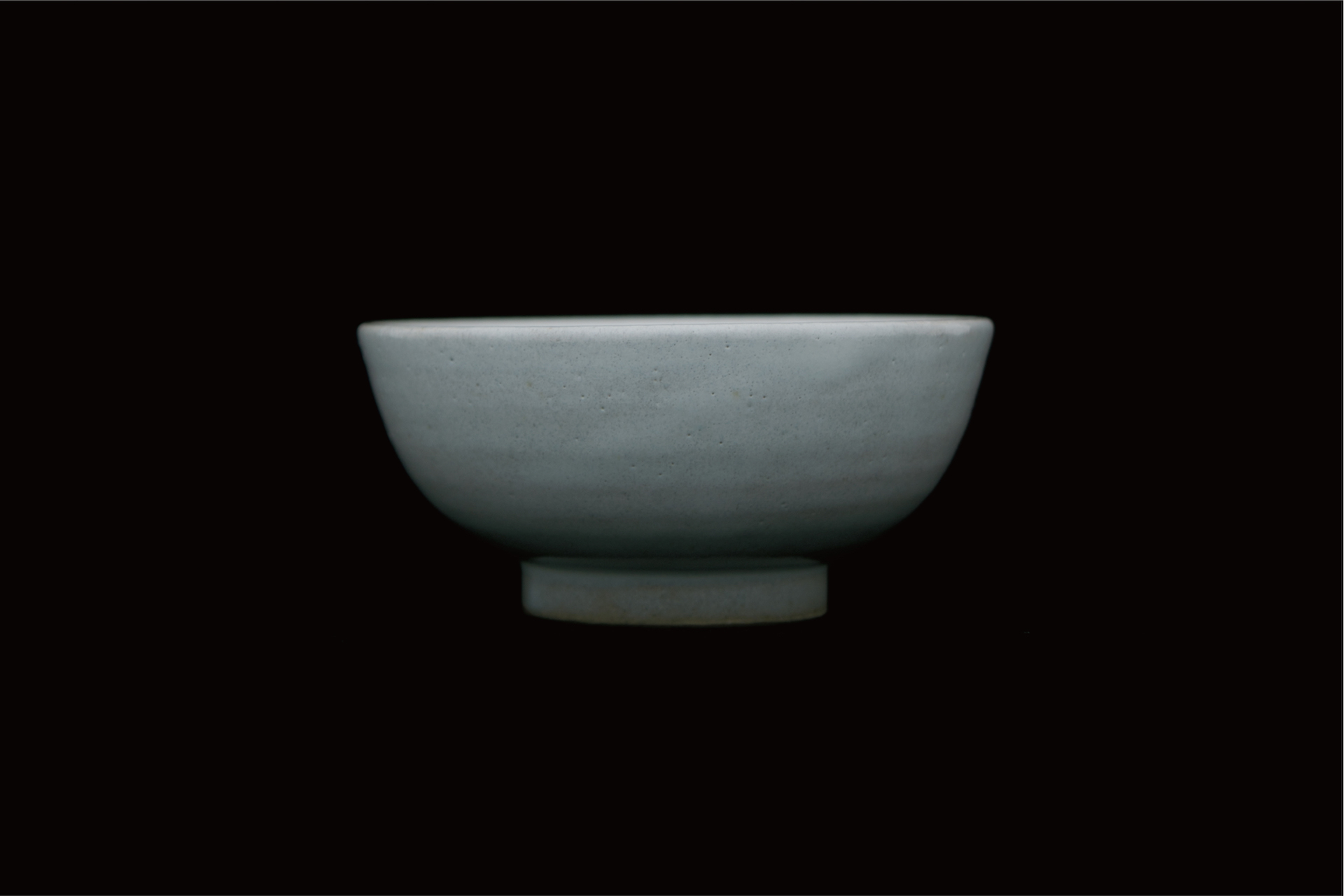
Material: Shibori Tsuchi clay, Nukajiro Yu glaze
Mashiko is known for potters such as “Living National Treasure” Shoji Hamada, who also is the founder of the “Mingei” Japanese folk art movement in the 1920’s along with Soetsu Yanagi and Kanjiro Kawai. Mashiko thrived in the late Edo period as it was sent as a gift to the Shogunate, and even in the latter years of the Meiji period in the Kanto region for manufacturing roof tiles. “THE RICEBOWL – MASHIKO” is glazed with the Nukajiro Yu glaze, one of ‘six Mashiko glazes’.
Shipping & Payment

Delivery Options

  • In-store Pickup (Sham Shui Po shop)
  • S.F. Express - Store Pickup
  • S.F. Express - EF Locker Pickup
  • S.F. - Business Station
  • S.F. Express - Office / Home Delivery
  • International Delivery
  • Mainland China (via Hong Kong Post registered mail)
  • Macau (SF EXPRESS)

Payment Options

  • Apple Pay (Mobile Only)
  • Credit Card
  • PAYME
  • Octopus
  • FPS
  • Alipay (HK)
  • WeChat Pay
Customer Reviews
{{'product.product_review.no_review' | translate}}

Related Products